
No Pitch Decks: How We Put Google’s Global VPs in a Room with 12 Vietnamese AI Builders
Inside the Google AI Native Maker Experience in Ho Chi Minh City
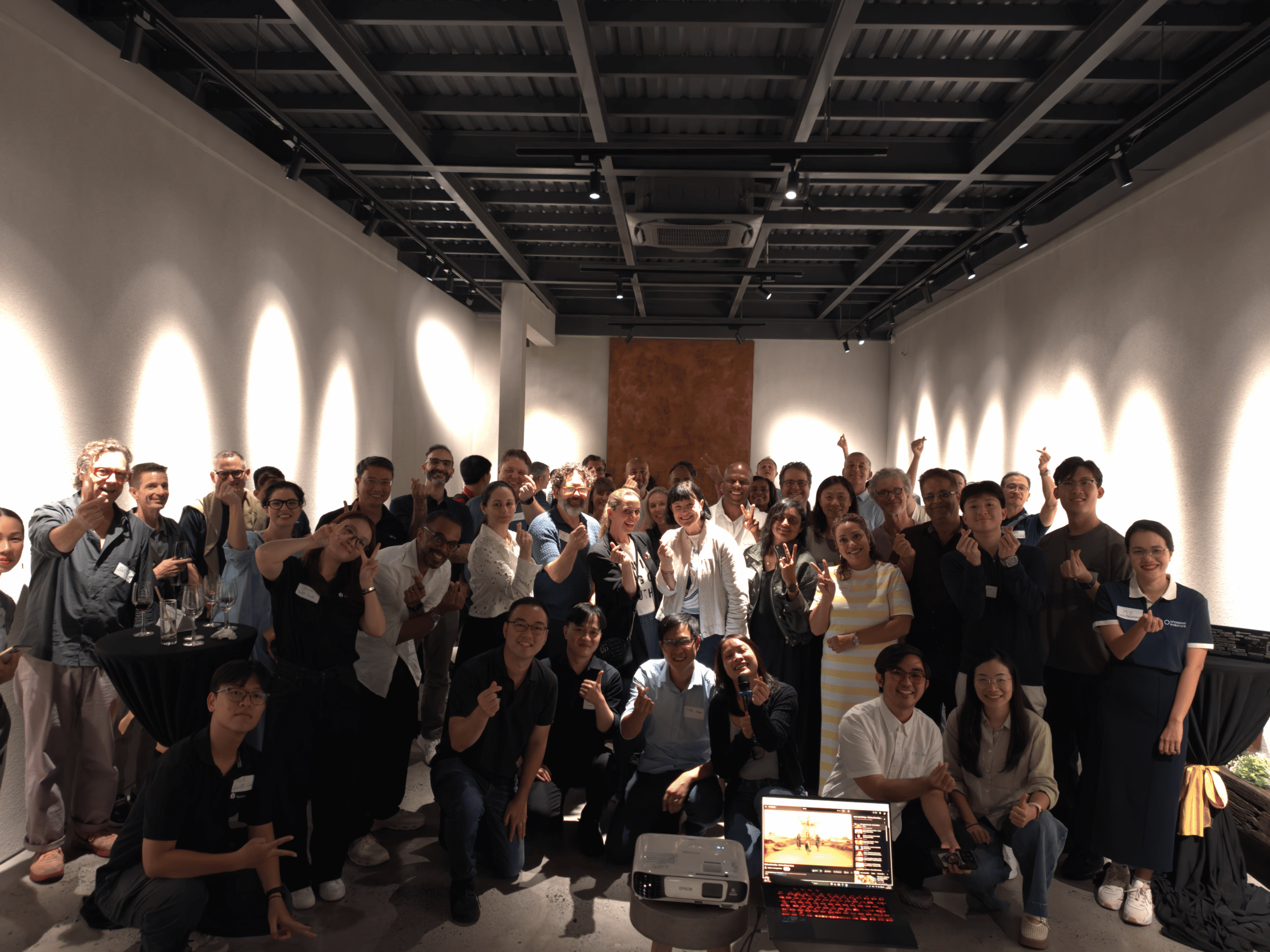 Understanding Vietnam’s AI ecosystem means spending time with the people building within it: the founders testing products with customers, the developers redesigning everyday workflows and the young builders learning through experimentation.
On October 8th 2026, GenAI Fund brought these perspectives together in Ho Chi Minh City for the Google AI Native Maker Experience. Part of Google’s leadership immersion in Vietnam, the session created space for direct exchanges about what people are building, the constraints they face and what global technology leaders can learn from their experience.
A visit spanning government and the builder ecosystem
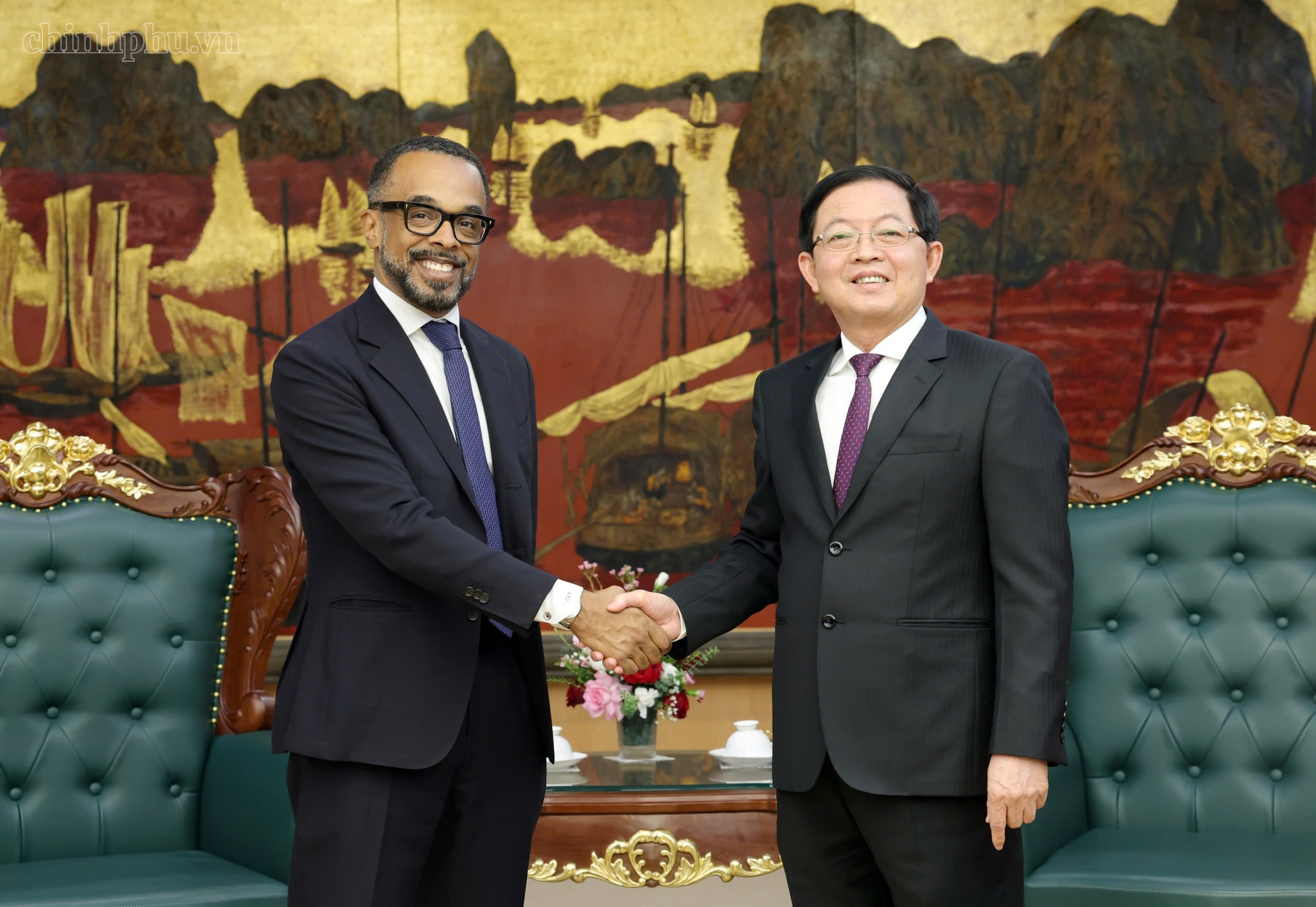
The visit sits within Google’s broader engagement with Vietnam’s AI ambitions. In Hanoi on October 5th 2026, Google VP Cris Turner met Deputy Prime Minister Hồ Quốc Dũng to discuss AI cooperation and digital development. Representatives from the ministries of Finance, Science and Technology, and Foreign Affairs also attended that meeting.
The immersion was framed around several practical questions: how AI changes end-to-end workflows; how lean teams achieve more with limited resources; how businesses build around mobile and messaging; and how technical skills, domain expertise and human judgement evolve together.
Starting with the problem
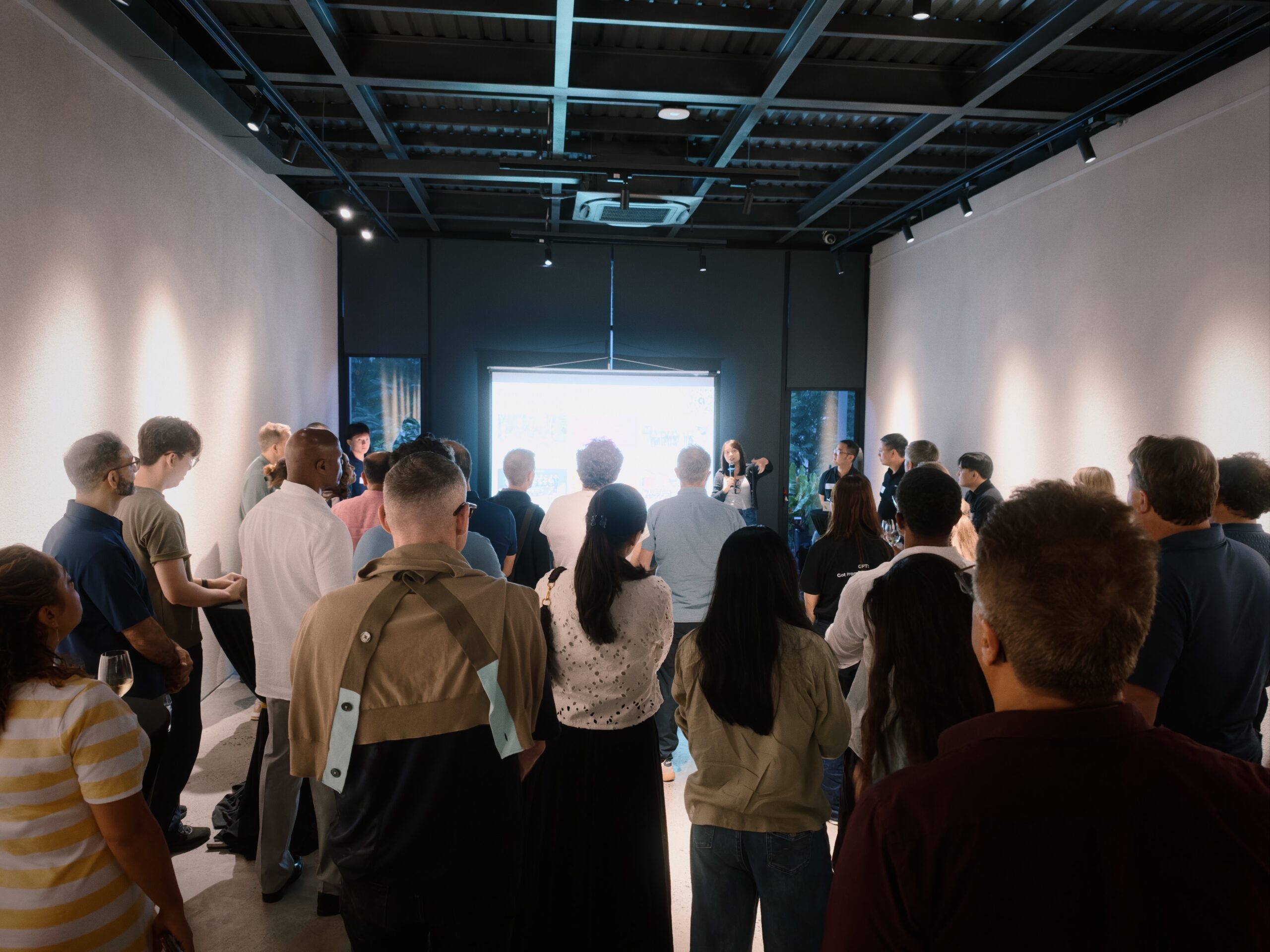
GenAI Fund helped curate an exchange built around small-group, rotating conversations. Founders were invited to explain a problem they had noticed, show where AI mattered in their solution and share one lesson from building it.
That format gave leaders a way to explore the decisions behind a product. Why does this problem matter to its users? What changes when a prototype meets real workflows? Where does automation help, and when should a person decide?
FreightPilot.ai’s work on customs documentation illustrates the importance of domain knowledge and human review when documents conflict. BenKon’s experience with air-conditioning systems shows how operational data can challenge assumptions about the causes of energy waste. AI Hay brings a perspective on how Vietnamese language, habits and everyday questions shape product design.
These examples make the ecosystem tangible. They give global leaders a way to understand the conditions under which AI products are built and used, through the people working with those conditions every day.
Meet the startups and builders
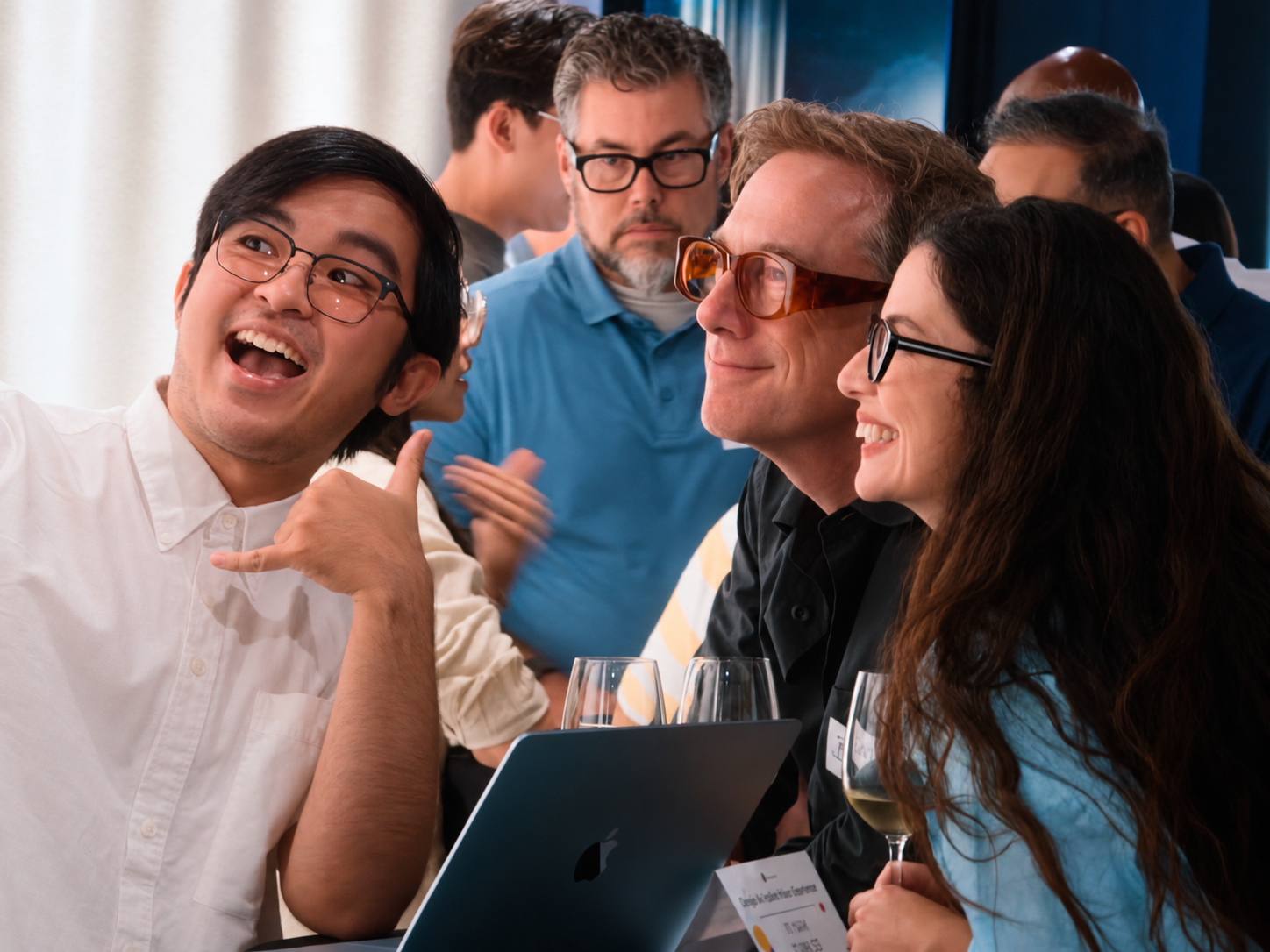
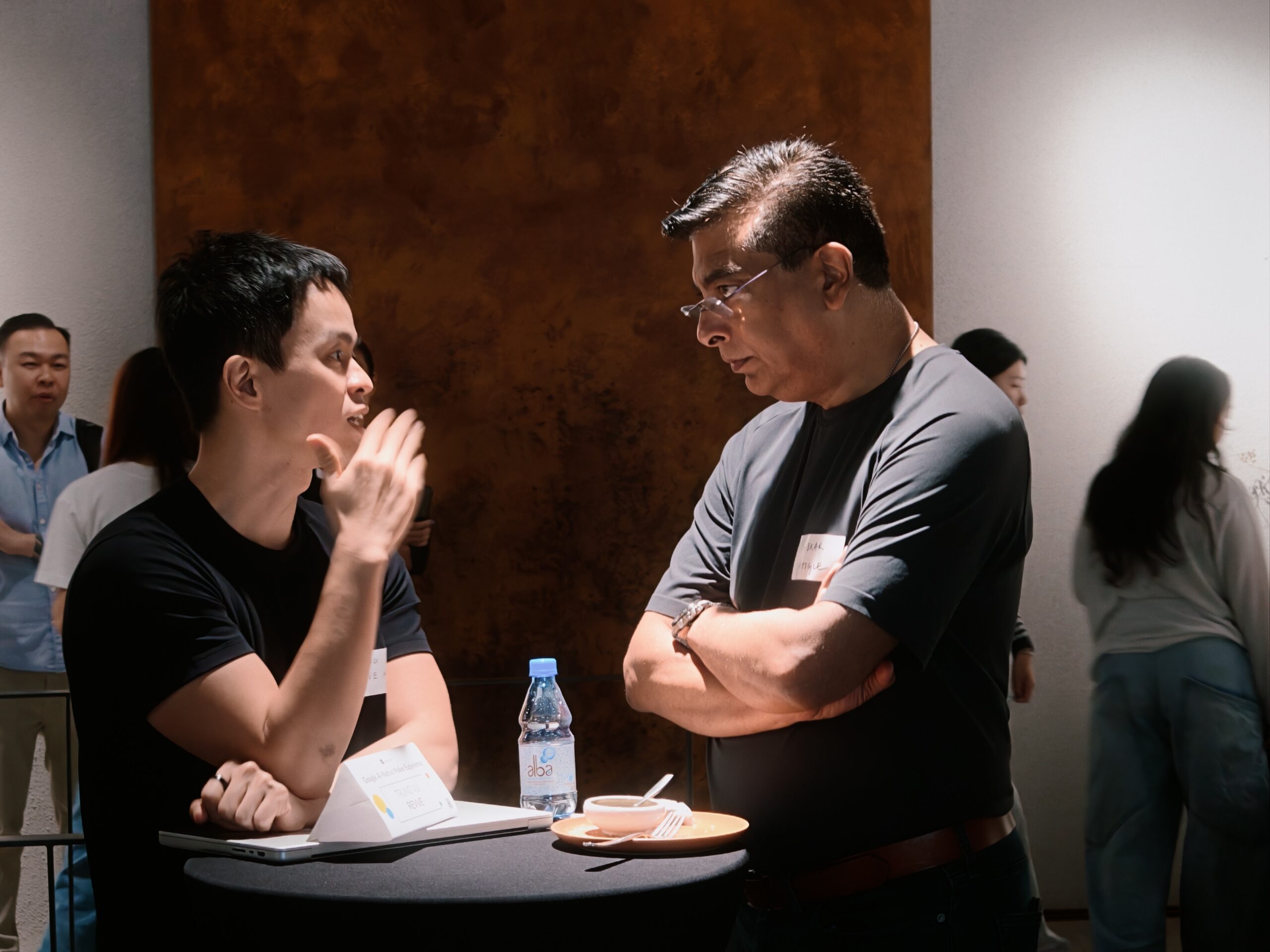
The programme’s participant line-up spanned commercial products, research, early prototypes and community initiatives:
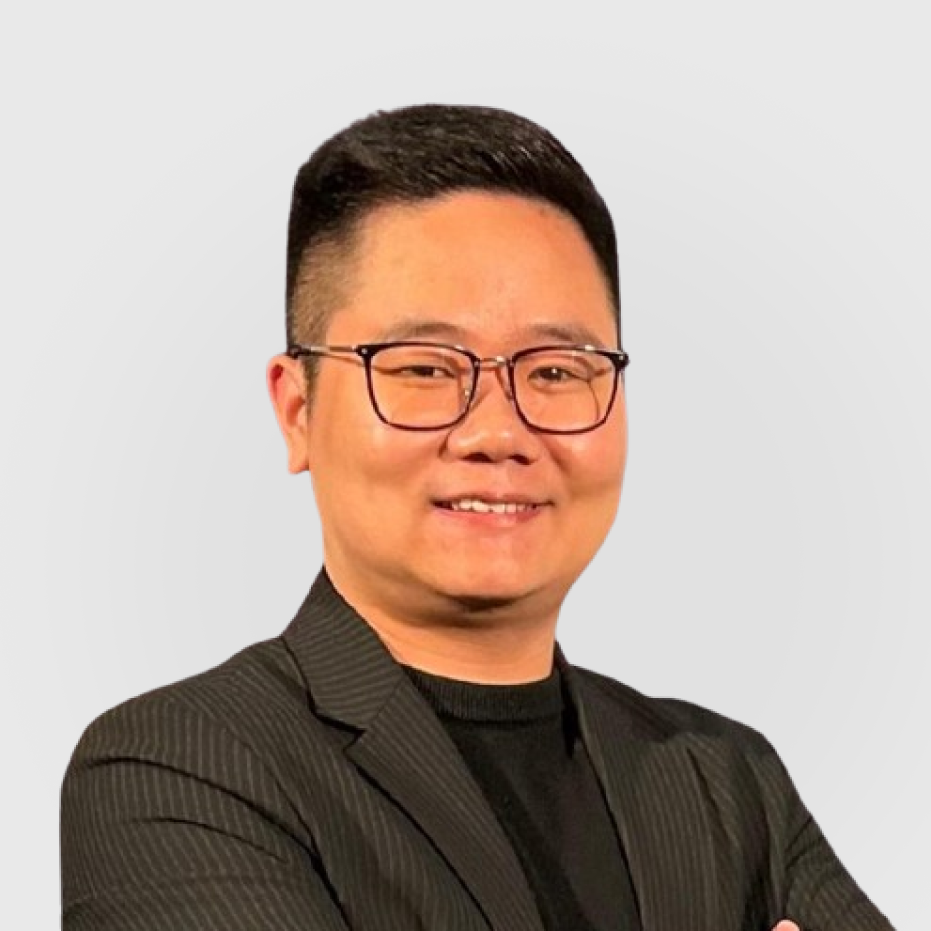
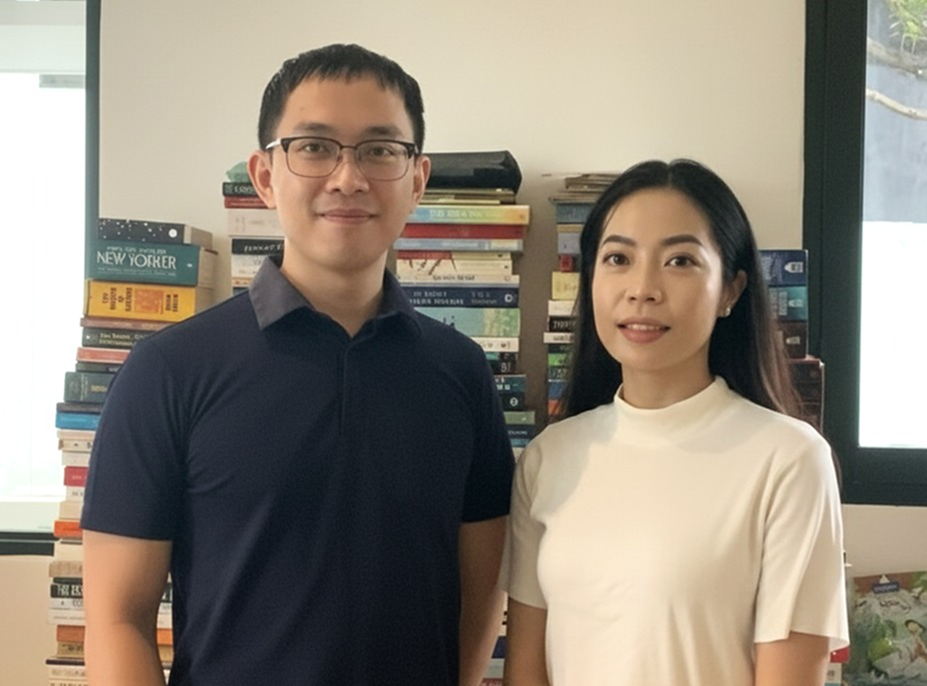
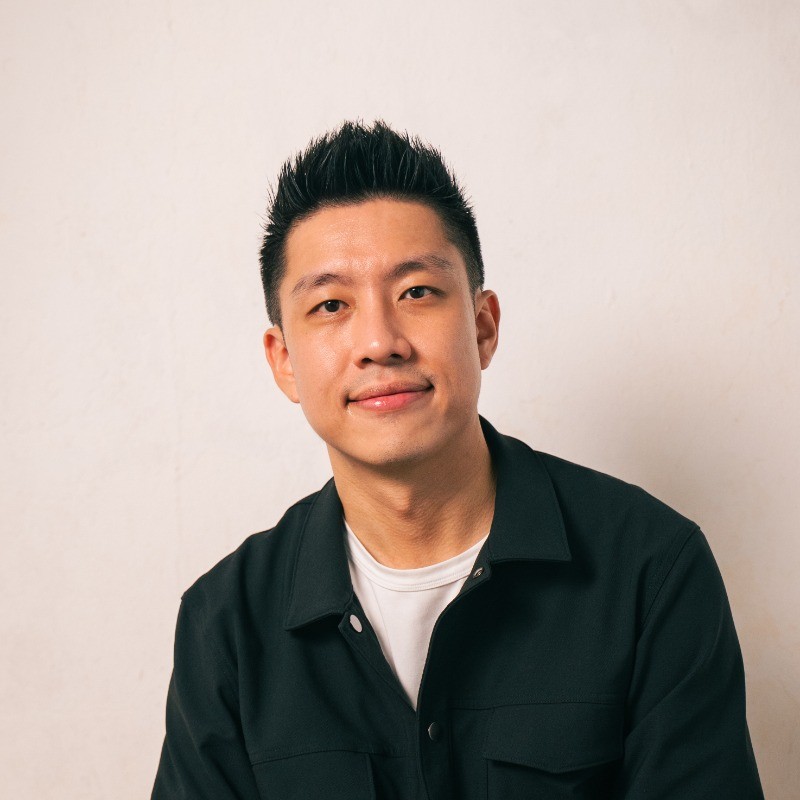
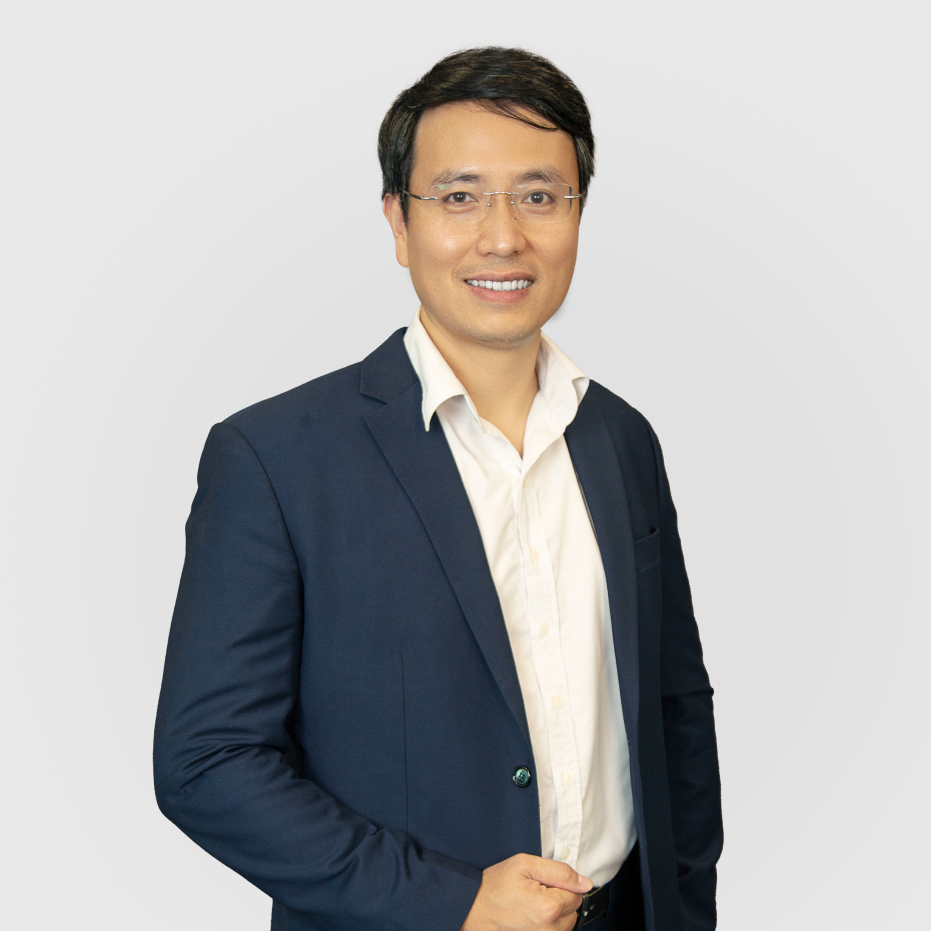
- Hiep Nguyen — AI Hay: AI products shaped around Vietnamese language, local needs and everyday user behaviour.
- Taddy Truong — BenKon: Data and AI for physical operations, starting with understanding and reducing air-conditioning energy waste in retail stores.
- Ky-Nam — Duma.so: An events and community platform helping builders showcase projects, find feedback and connect with users through in-person experiences.
- Minh-Phuc Tran — Founding Bot: An experiment in making AI agents accessible as working teammates for non-technical founders and creators through familiar messaging tools.
- Linh Pham — FreightPilot.ai: AI agents for customs workflows, from cross-checking shipping documents to preparing declarations, with human decisions when information conflicts.
- Tuan Cao — Life AI: A platform under development connecting AI-assisted drug research with expert review and laboratory experiments in Vietnam.
- My Tran — Openmind Robotics: AI perception and control systems that help robots handle the variability of real industrial environments.
- Trung Vu — Revve AI: AI agents for banks and enterprises across voice, chat and messaging, with context passed to people when they take over.
- Galvin Vo — Saner.AI: An AI workspace and personal assistant designed for people with ADHD, bringing notes, tasks, calendars and documents together.
- Nguyễn Nam Long (Logan Nguyen) — AskCell: An early research prototype exploring AI-assisted analysis of residual leukaemia cells. Its reported testing uses synthetic data; validation with clinical samples remains a next step.
- Trung Vu — Second Bite: A food-surplus marketplace prototype for Vietnam, built with AI coding assistance and preparing for testing with local sellers.
- Teddy Bui — Saigon Kids Hackathon: A youth-led community initiative being organised to give young people more opportunities to build, experiment and learn together.
What these perspectives reveal about Vietnam
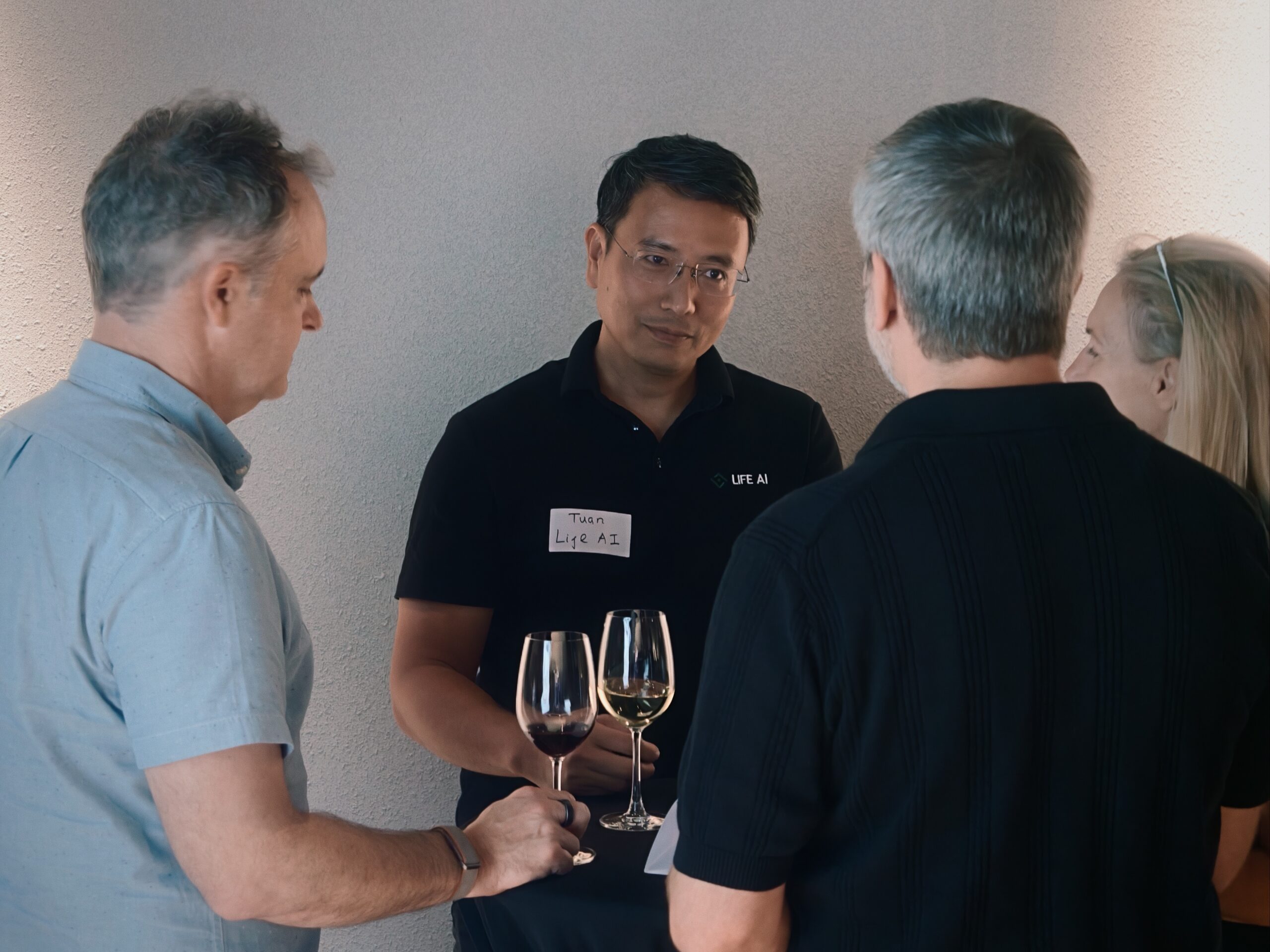
The range matters. Vietnam’s technology talent is visible in enterprise software, consumer products and robotics, as well as in younger builders using AI to explore unfamiliar disciplines. Teams are working on local problems while developing products with relevance beyond Vietnam.
These builders’ experiences also point to recurring practical questions. FreightPilot.ai and Revve AI emphasise trusted workflows. BenKon highlights the need for reliable physical-world data. Duma.so connects adoption with community relationships. Across these different settings, understanding users and earning trust remain central to making useful technology.
For GenAI Fund, facilitating this exchange meant bringing those perspectives into the room and giving builders space to explain their work in their own terms. Thank you to the founders, young builders and Google leaders who made time to share, listen and learn.
Vietnam’s AI ecosystem deserves to be understood through the people building it. More direct exchanges can make their experience visible internationally and help it inform how technology is developed and used.